First Hire Decisions: How Founders Should Test Role, Framing, and Pay
A founder's first hire can be a six-figure decision made with no HR team, no internal precedent, and little hiring experience. Get the role wrong and the company loses months of runway it cannot recover, along with the culture that first hire sets before anyone else joins.
Why the first hire is a decision problem, not a staffing problem
Founders frame this as "who do I hire," when the real question is "which role, framed which way, at what pay, changes the outcome I need." Four patterns can undermine an early hire:
- Role confusion. Instead of building the job around this quarter's actual mix of responsibilities, the founder hires against a title that only matches their own assumptions.
- Culture projection. A solo founder hires people who think like them instead of people who cover a real gap.
- Compensation guesswork. Pay is set too high, burning runway, or too low, losing the candidates worth hiring.
- Job-description mismatch. A post written as an aspirational role description attracts the wrong applicant pool and repels the right one.
A first-hire decision should account for recruiting, onboarding, lost productivity and the cost of replacing a poor fit. Estimate those costs from the company's role and operating needs; an unattributed general bad-hire percentage is not a reliable budget for this hire. For U.S. wage context, BLS Occupational Employment and Wage Statistics reports estimates by occupation and geography. Check the data period and role fit alongside current candidate offers; a wage estimate does not determine the package this hire will accept.
What does a controlled comparison add that judgment alone can't?
Reasoning does not reveal how a defined candidate population responds to a specific framing, priority list, or pay structure. A controlled experiment specifies the candidate population, randomizes defined alternatives and measures stated interest or choice. A design may vary one factor or several; assignment and analysis must match the intended comparison.
That is different from a handful of people reacting in an open-ended conversation. It answers "which version works better with this population," not "what does this one respondent think."
Where does Subconscious fit in testing the framing before it goes live?
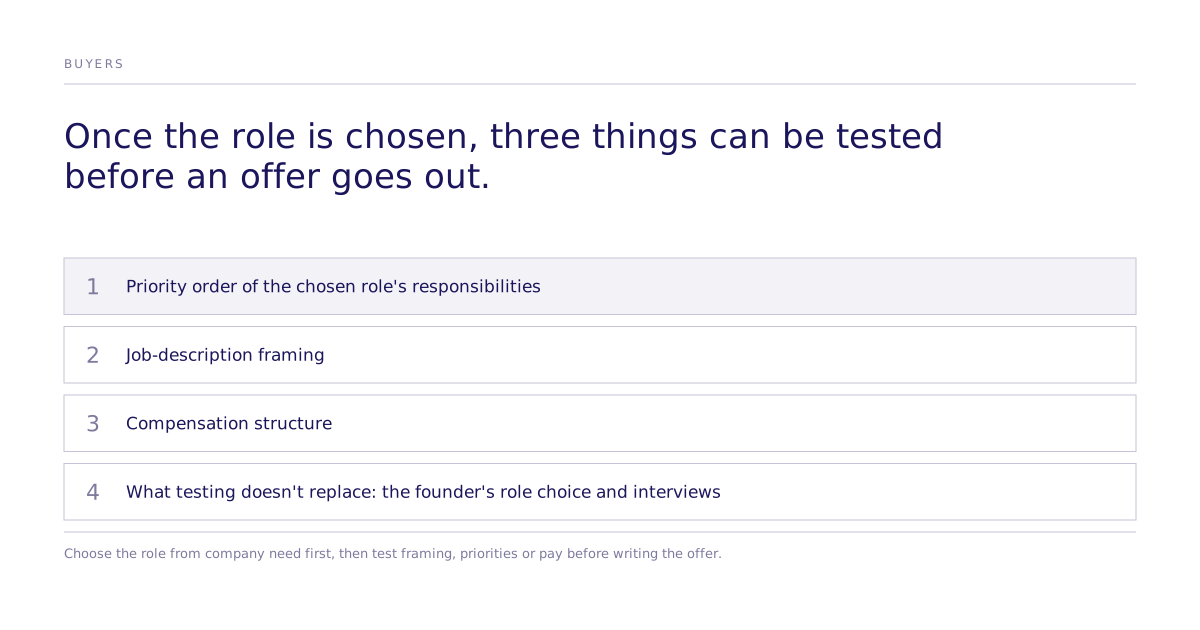
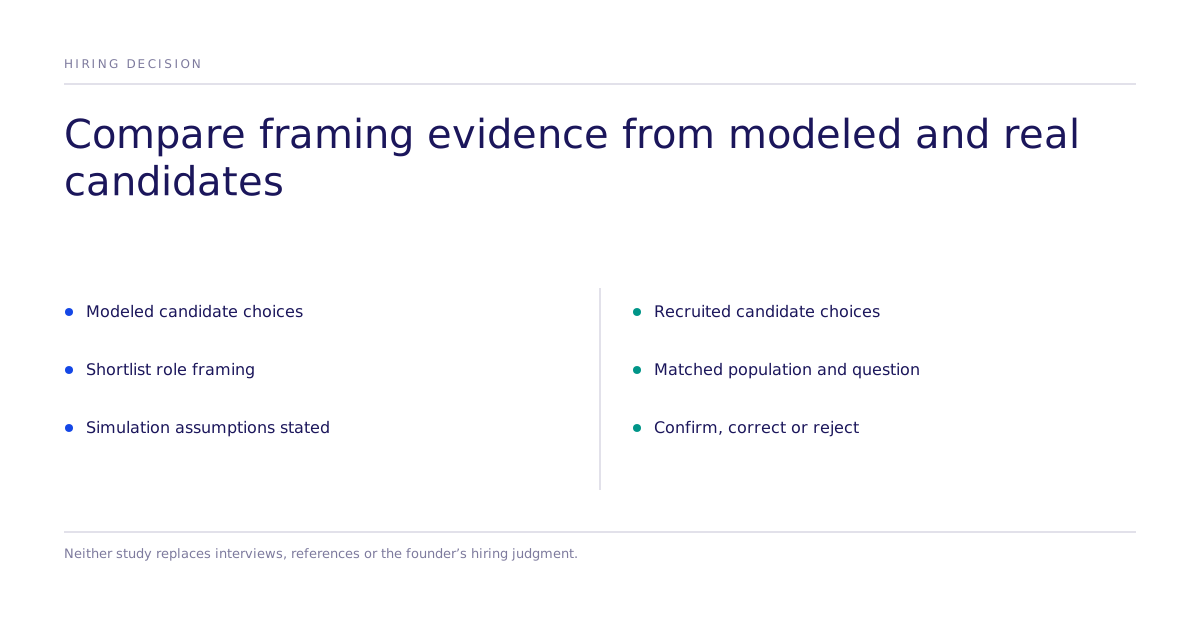
Subconscious runs this kind of comparison as a randomized experiment on a simulation of the relevant population. When the decision warrants it, a matched human study can put the same question to real candidates; scope that study and its participant source per decision. Candidate testing informs how to recruit for a role you have already chosen. It does not decide which role the company needs. For a first-hire decision, that means comparing:
- Two or three orderings of the chosen role's responsibilities, to see which produces the strongest stated interest from the right candidate profile.
- Two job-description framings for the same role, to see which one changes stated interest most among a defined candidate profile.
- Two compensation-and-equity structures, to see which one a target candidate profile finds credible enough to engage with.
The output is not a persuasive-sounding critique. It is a measured comparison: which tested option produced the stronger response under the study conditions, for the population the founder needs to reach. The Subconscious research program describes the evidence behind that method, and how Subconscious structures a working engagement covers what a founder needs to define before running one.
What does this testing not replace?
A controlled comparison does not conduct reference checks, run live interviews, execute onboarding, or substitute for the founder's own read on culture fit. A simulated comparison and a study run with recruited real human participants answer different questions; a founder should not treat one as proof of the other. The comparison narrows which framing, responsibility order, or pay structure deserves the founder's limited time for the role already chosen. The founder still owns the interview, the reference call, and the final decision.
A founder's next step
Decide which role to hire first from the company's work demand, runway and your own capacity, not from candidate appeal. Once the role is chosen, how to frame it and what to pay are narrow enough questions to test before an offer goes out. Review how similar decisions have been tested, then bring the specific role, candidate profile, and pay structure to a working session.