Four Places to Test Employer-Branding Messaging Before It Ships
An agency running employer-branding work can end up shipping EVP copy, job postings, career page sections, and campaign creative on internal workshop consensus, then waiting out a posting window to find out. Comparing each piece of messaging against a defined target-candidate segment before launch can flag a mismatch while it is still cheap to fix.
Why the posting window is an expensive place to guess
A job posting can run for weeks before an agency gets a real signal on it. In one hypothetical example, a posting collected 200 applications and none of them were qualified. Unclear expectations, generic language, requirements that discourage qualified applicants, only surface once the client is looking at the application pile (Netchex, Hiring Pitfalls to Avoid in 2026). By then the client has burned the full posting window and the ad spend on messaging that drew volume but not fit.
The EVP is the same problem one layer up. It sets the frame for every posting, career page section, and campaign asset that follows, but it is normally written and approved internally, not checked against the people it is supposed to persuade (AIHR, Employee Value Proposition (EVP): All You Need to Know in 2026).
What a message test actually needs to answer
Each stage of employer-branding content is a distinct, testable message decision: does this EVP wording, this posting draft, this career page section, or this campaign concept move stated interest in the specific segment the client is hiring for. Job seekers tell you directly what they weigh when comparing postings, clarity on compensation, growth path, and day-to-day expectations chief among them (Indeed, Survey: How to Improve Your Job Postings to Attract Better Candidates).
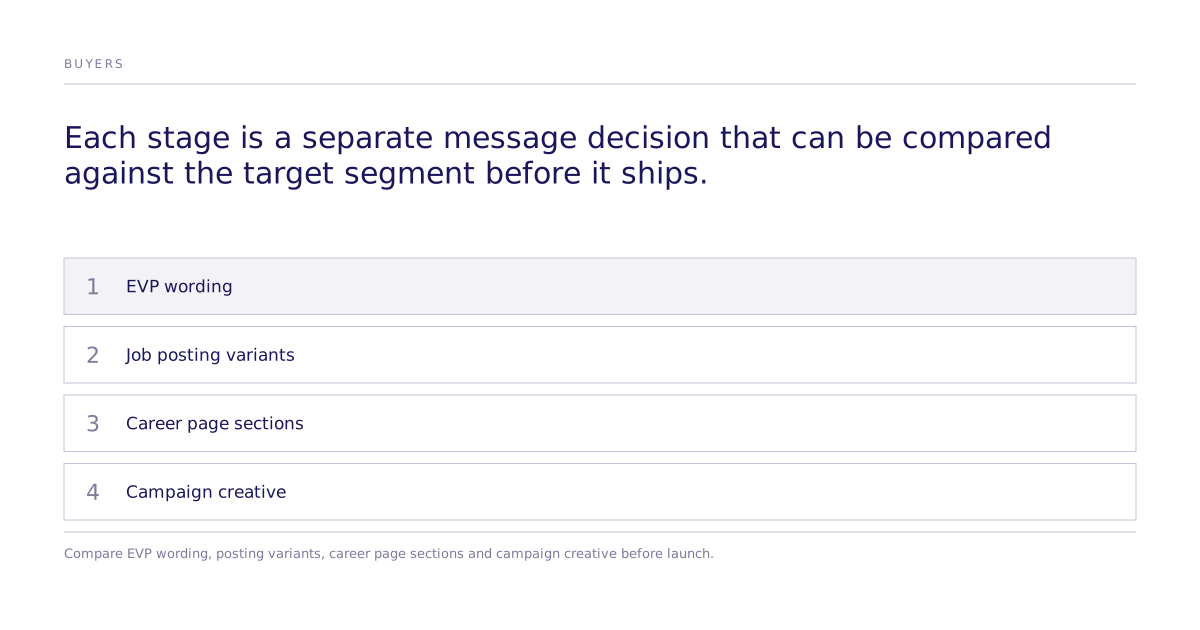
Four places to test employer-branding messaging before launch
1. EVP wording
The employer value proposition anchors every other piece of employer-branding content, but it is usually validated by how it sounds in the room, not by how the target segment reacts to it. Testing two or three EVP drafts against the client's actual hiring segment, senior engineers, early-career marketers, mid-career finance professionals, whatever the role calls for, shows which wording moves stated interest.
2. Job posting variants
A posting that emphasizes autonomy and growth reads differently to a senior engineer than one that emphasizes stability and benefits, and the difference shows up in who applies. Comparing two posting variants against the target segment before either goes live estimates which framing draws more stated interest among the defined profiles. Which framing draws qualified applicants is a live question. Check it with actual posting data and screening outcomes.
3. Career page sections
A career page has to answer why a candidate should work at this company instead of another one, and different sections carry that argument differently for different segments. Testing draft sections against the target audience before a design team invests in production estimates which parts the modeled segment finds compelling and which it reads as generic filler.
4. Campaign creative
Recruitment campaign creative, LinkedIn sponsored content, programmatic job ads, campus materials, competes for attention the same way consumer advertising does. Testing headline and image variants against the target candidate segment before spend goes out shows which concept the modeled segment says it prefers and which reads as stock corporate messaging. Actual attention needs a defined human or live metric.
Where this fits a causal test, not a panel
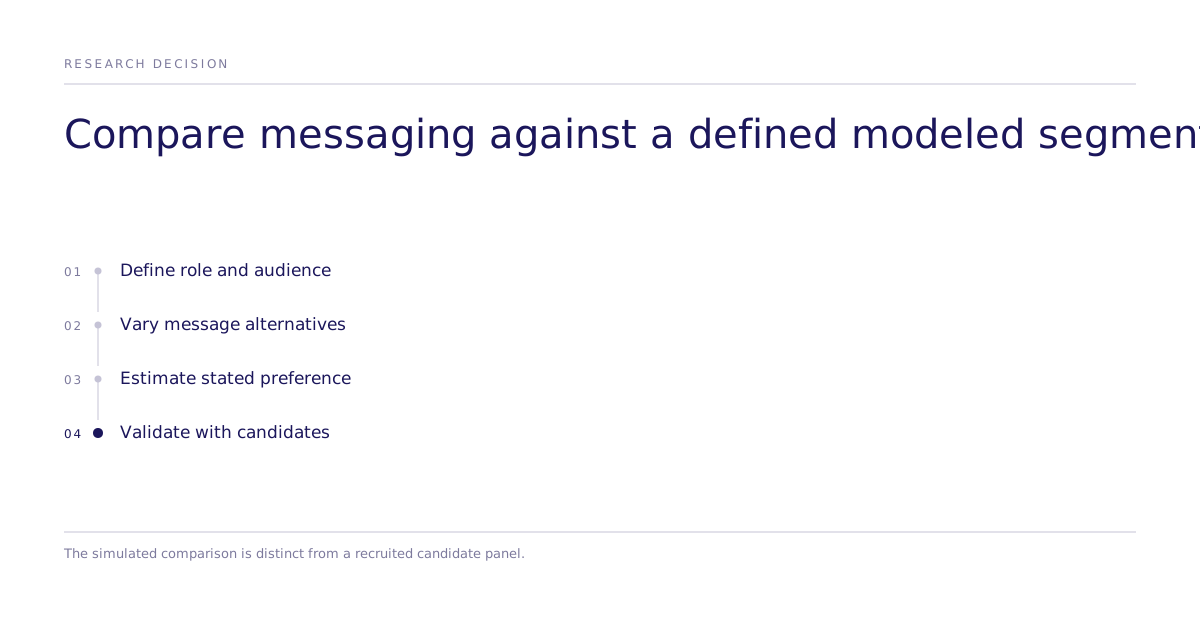
The shape of this work is a message test: comparing two or more wording, layout, or creative variants for a defined audience segment and measuring which one moves stated interest. Subconscious runs that as a randomized experiment, discrete choice, monadic, or claims-style, and returns which variant moves the simulated stated-interest outcome. That is not a recruitable panel of candidates and not a simulation of any one person.
Compare recruitment messages with a defined modeled candidate population, then validate the shortlist with suitable human evidence. Actual qualified applications and hiring outcomes need posting and screening data; simulated stated interest does not establish those outcomes.
Limitations and failure conditions
There is no published employer-branding or recruitment-agency case result to point to yet, so treat the approach above as a testing method to apply to a client's own segment, not as a track record. The comparison runs on a modeled candidate population. It is not a recruited panel of candidates, and it is not a simulation of any one person. Ask for the modeled population's provenance, coverage and limits before you rely on it. A message test also only tells you which wording or creative a segment prefers, it does not verify culture fit, screen for skills, or replace the interview and hiring process that follows an application.
Next step
An agency with a client EVP draft, a job posting variant, or a campaign concept ready to test can see how a causal experiment is set up for a defined candidate segment, review how a study moves from design to result, or book a decision review to scope a test against an upcoming posting window. Bring the message variants, the candidate segment and how you will measure qualified applications afterward.