AI Content Strategy Research: Test the Decision Before Writing
A content team needs to decide which topic, angle, format, and headline deserve production effort. Existing search and customer evidence can inform the brief before publication, then observed performance can test the result.
For an illustrative planning problem, suppose a team publishes ten pieces but only two meet its qualified-traffic or pipeline target. Audience exploration can suggest alternatives to investigate. Those example quantities are not a measured industry rate.
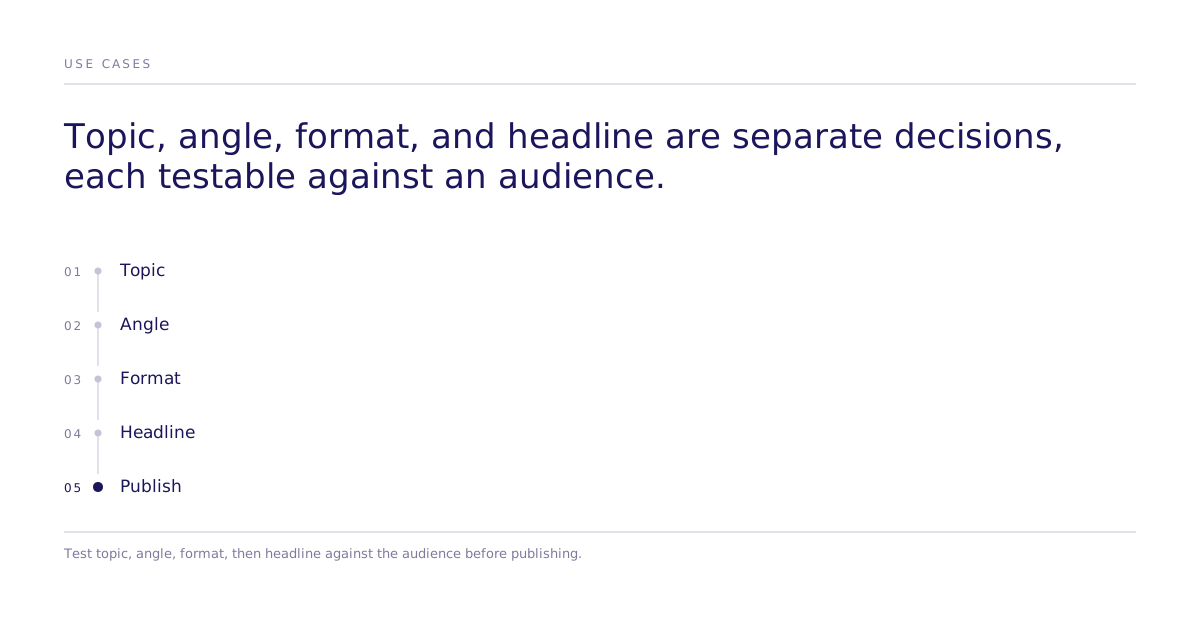
The questions keyword data cannot answer
Keyword data shows searches and related signals. It does not alone establish which framing will help the specific buyer or change a business outcome. Combine it with customer evidence and observed content performance.
A topic such as improving a sales process can support 20 different angles. A content team must decide which problem, evidence, and format fit the audience.
Format is also a decision. An executive may want a short data brief. A director may need a comparative guide. An individual contributor may need a tutorial. A technical buyer may need documentation and benchmarks.
Test the content choices
Topic
Ask the audience definition about current job friction, missing industry coverage, and the last material that changed a work decision. Turn the answers into topics checked against search and customer evidence.
Angle
One illustrative comparison could contrast a general research critique with a cost-focused angle. If the cost angle uses a dollar amount or lead time, substantiate those facts for the actual scope before putting the copy into production.
The useful output: why one angle is clearer or more relevant, then a real test.
Which content formats should you compare?
Compare a guide, brief, analysis, tutorial, or opinion for the same audience and subject.
Headline
For example, compare several headlines with target readers. A small exploratory group can flag confusion, but is not a population estimate. Choose sample size and analysis for the question, and check that each headline matches the article and channel.
A mechanical workflow
What happens during weekly content planning?
For an illustrative weekly planning session, reserve time to review proposed topics against the buyer groups that matter. Ask whether each topic addresses a current decision and what evidence would make it useful.
Before production
Compare distinct angles before production. Record which claims require sources and which reader problems the piece should solve.
Before publication
Compare the working headline with credible alternatives. Check comprehension and expectations; reject an attention-grabbing line that misrepresents the body.
After publication
Compare the simulation with real engagement, qualified traffic, and pipeline. Record where the audience model was wrong, and use that to improve the next test.
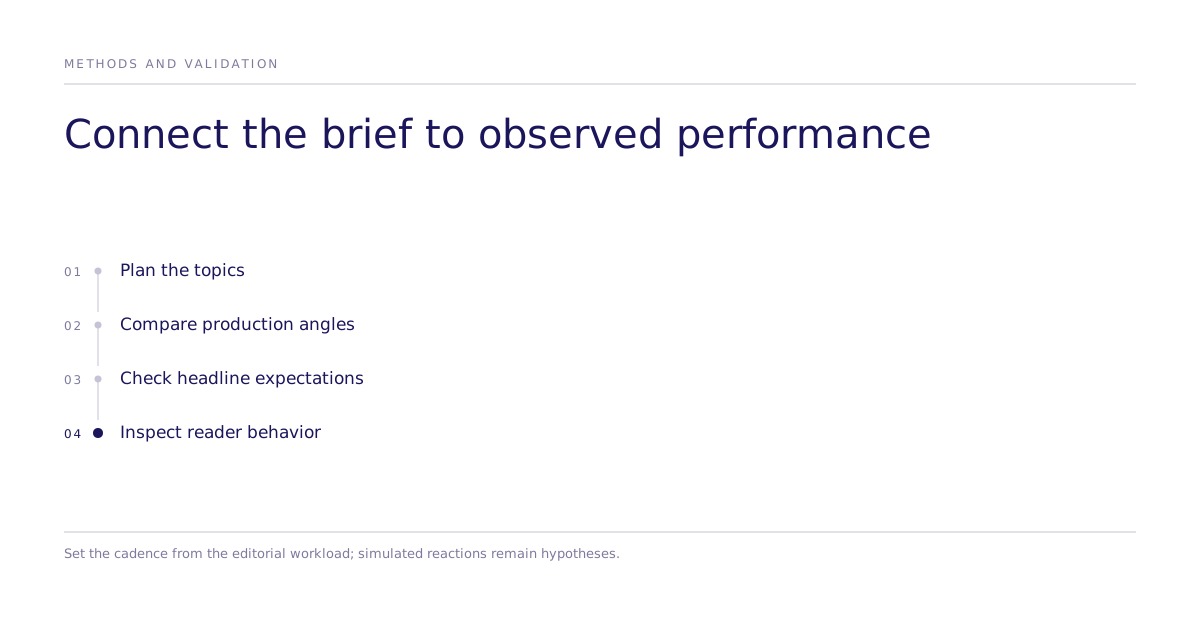
What does simulation not replace?
Simulation cannot supply original reporting, observed customer quotes, a real case study, or proprietary data that the team does not have. Editorial judgment, source verification, distribution, and search evidence still shape the result.
AI research can help package an existing proof point.
The useful loop connects an audience question to a content alternative and a measurable post-publication outcome. Record model errors and update the next brief using actual reader evidence.
Subconscious can scope a decision-specific comparison of messages or other defined alternatives. The causal-fidelity working paper evaluates estimated choice parameters; it does not validate content traffic or search rankings. Review method evidence and how the process runs, then choose the human or live endpoint required.