Choosing a Research Method for a Causal Decision
When the population, alternatives, or outcome remain undefined, begin with discovery and existing evidence. Once they are defined, choose a human experiment, a simulated comparison with relevant validation, or a live test according to risk and access. Simulation is an option, not a required stage.
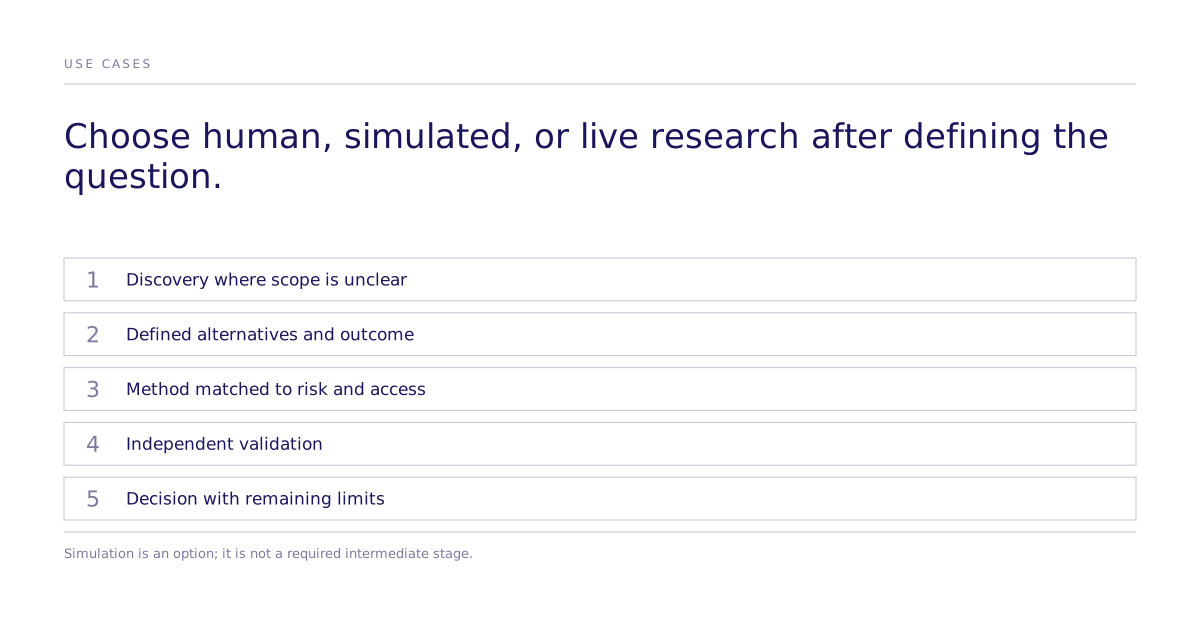
What the decision actually requires
Surveys can describe preferences or embed randomized alternatives. Interviews can clarify context and proposed mechanisms. To estimate an intervention effect, specify assignment, the measured outcome, and the assumptions that connect the comparison to the decision.
Subconscious structures comparisons of defined alternatives using generated choices. Randomized assignment can support estimating effects within the choice task; it does not establish a change in real purchases. Fairchild and Howell’s 2026 DCE guidance describes experimental-design and analysis considerations in management research. That methods paper does not validate a particular simulated population.
When Is a Simulated Experiment the Right Fit?
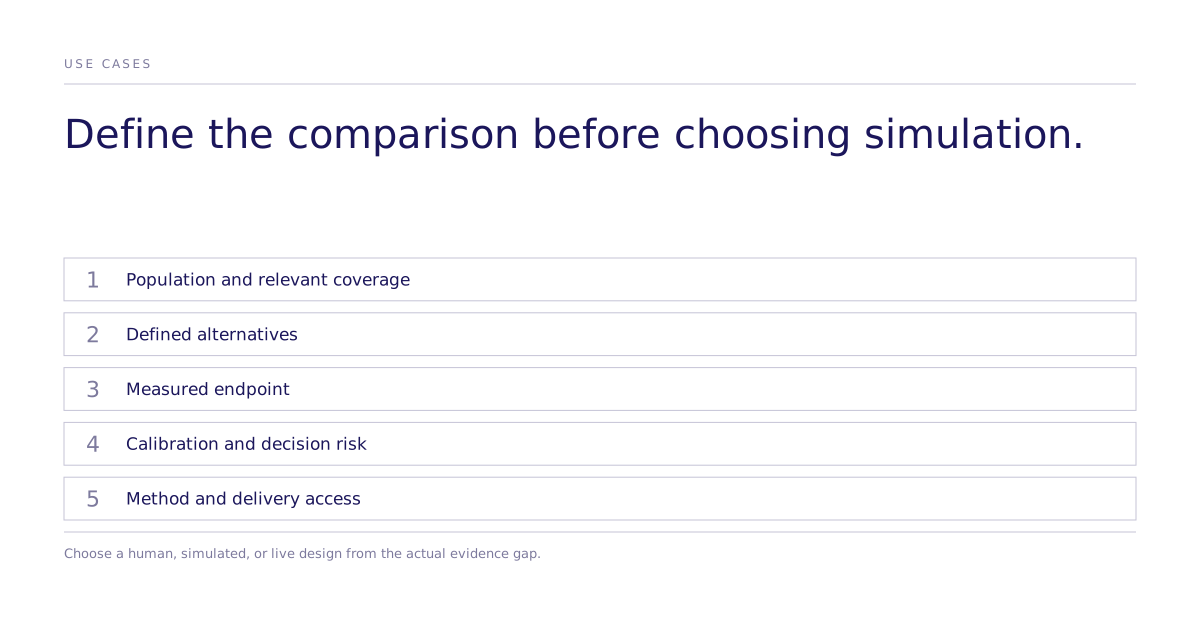
Before considering a simulated experiment, define:
- a defined population,
- two or more concrete alternatives to compare, and
- a measurable outcome that matters to the decision.
Then check coverage and calibration for the target audience, relevant validation, delivery access, and the cost of error. A model representation is distinct from a recruited sample, and neither size alone establishes validity. Choose simulation, a human study, or a live test from the evidence the decision still needs.
When Should You Escalate to Real-Human Validation?
A simulated comparison can help narrow options when its calibration is relevant. To check agreement with human evidence, scope a matched study and confirm recruitment, coverage, measurement, power, and fieldwork arrangements. Preserve the decision question while allowing necessary changes to the instrument or design. Budget decisions still depend on the endpoint, uncertainty, transport limits, and cost of error.
A human study can confirm, contradict, or leave a simulated comparison unresolved. It does not automatically answer usability, clinical, or realized-market questions. Choose measurement and validation for the actual claim.
When Is Traditional Research Still the Better Fit?
When the population, alternatives, or outcome are unclear, exploratory interviews and qualitative discovery can help define them. Human experiments and live tests also remain options once the comparison is specified; availability and decision risk help determine the appropriate method.
Limitations
Next step
Review aggregate parameter-rank comparisons for the scope of published method evidence, see how Subconscious works, browse applied examples, or book a walkthrough around a specific decision and its evidence gaps.